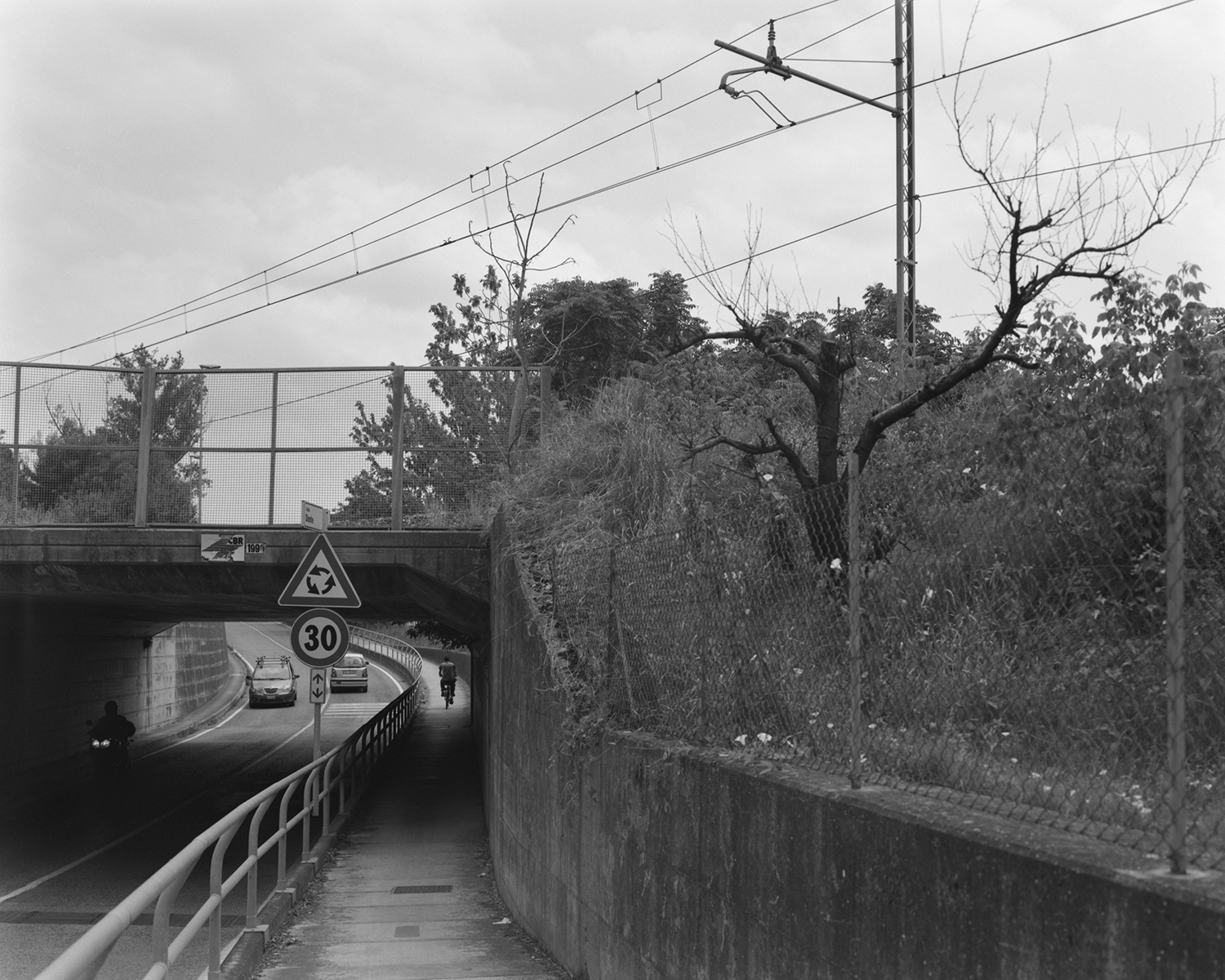
Richard Max Gavrich – Estraneo

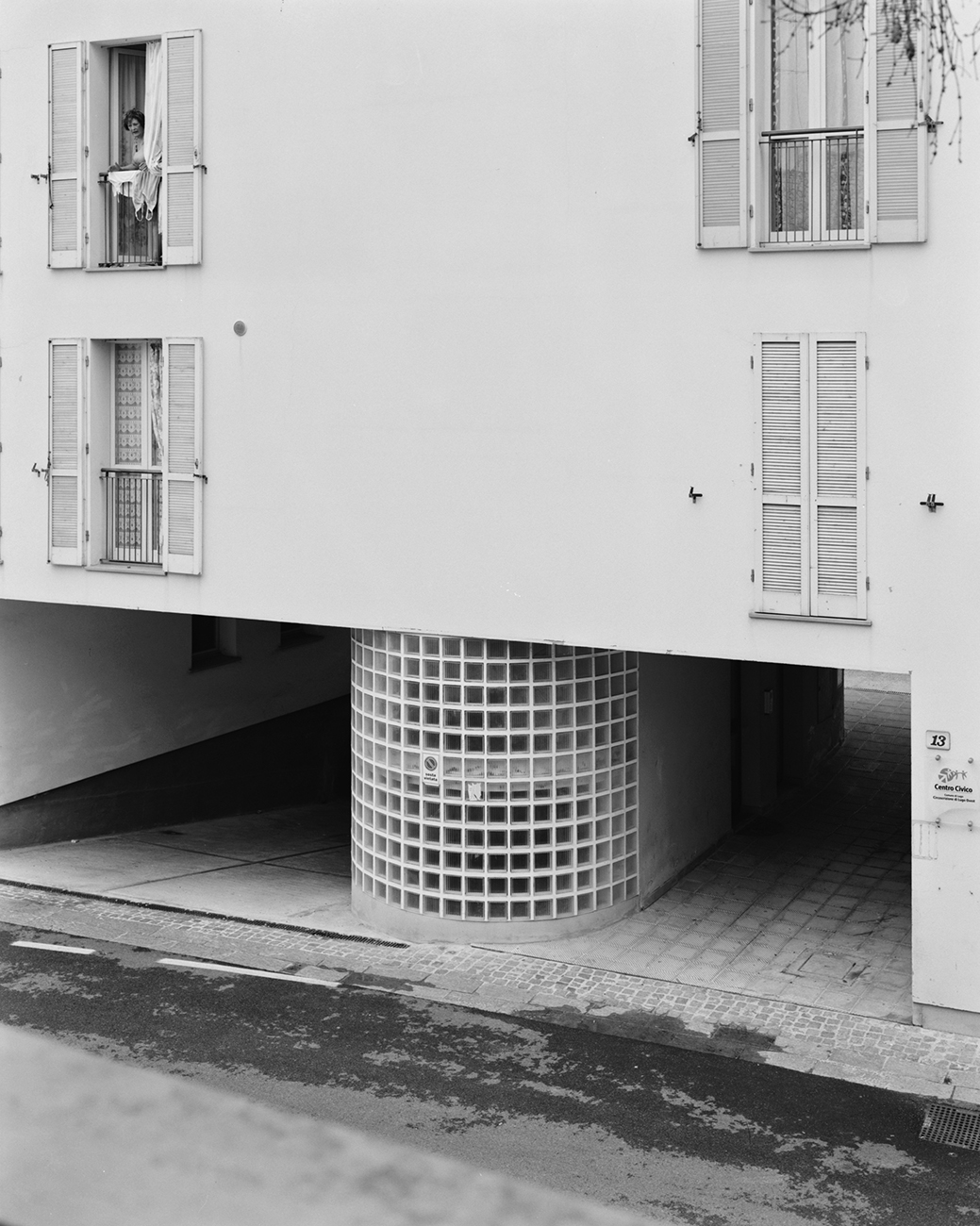
Richard Max Gavrich, Window I, Lugo, 2014
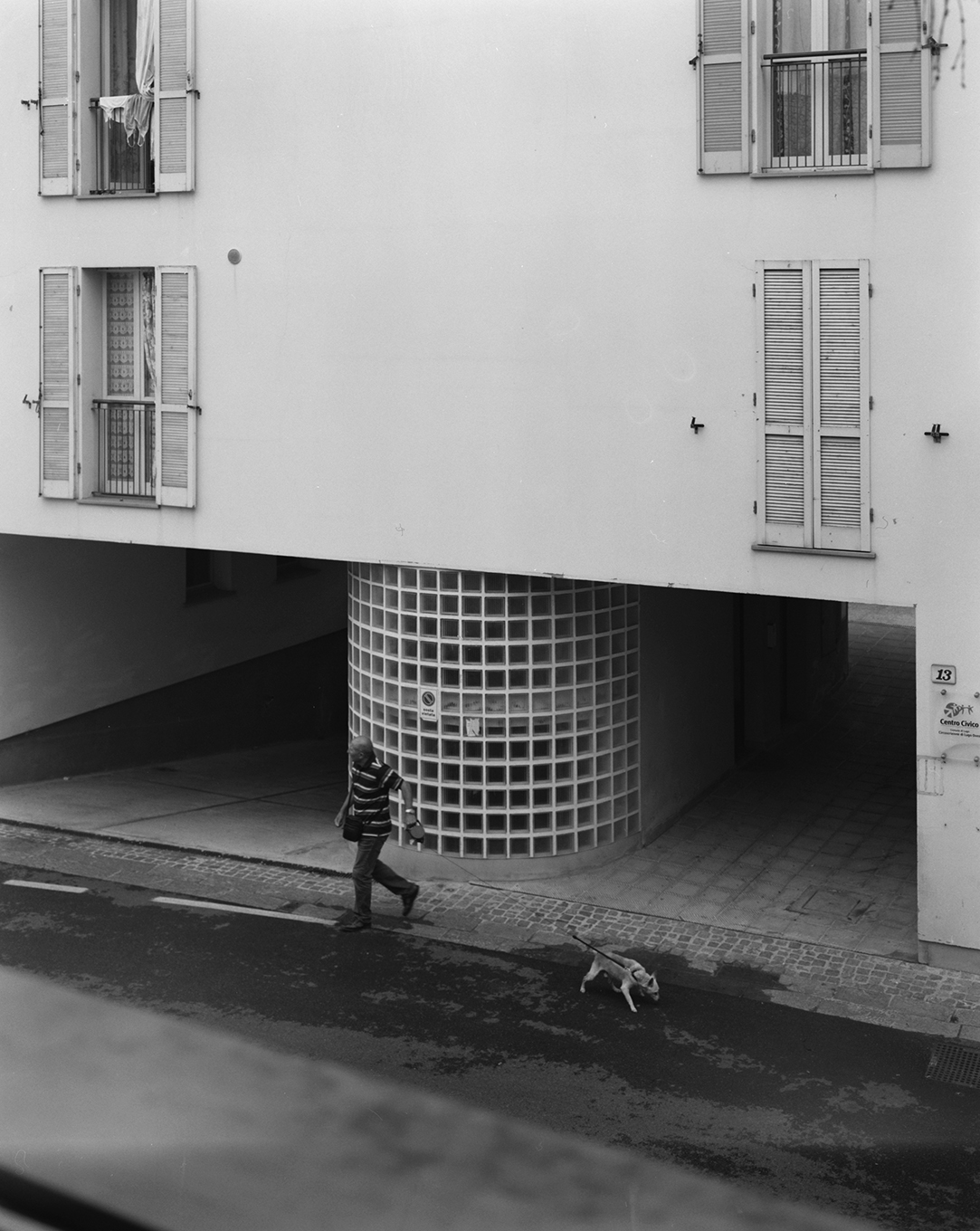
Richard Max Gavrich, Window II, Lugo, 2014
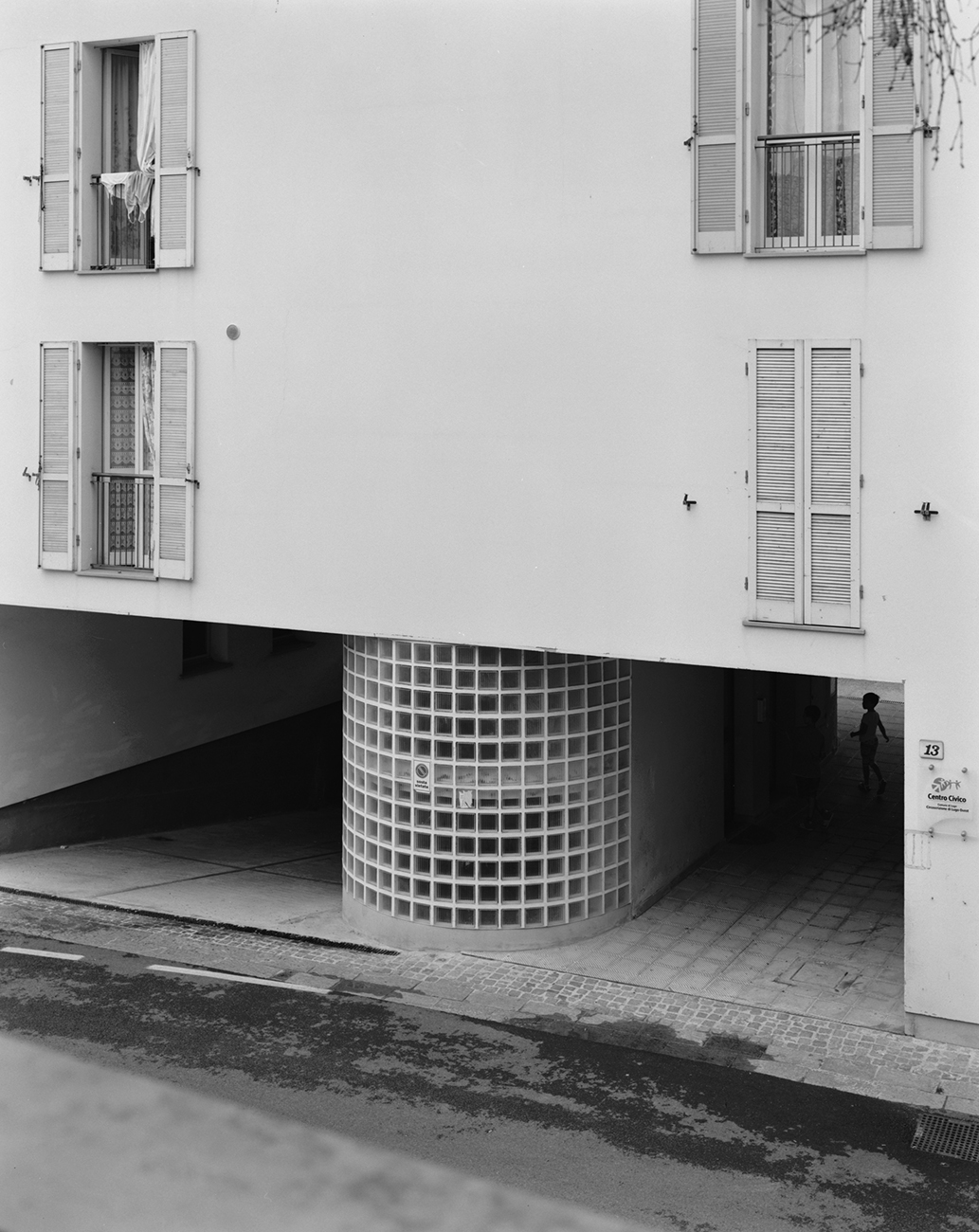
Richard Max Gavrich, Window III, Lugo, 2014
Richard Max Gavrich, Window IV, Lugo, 2014
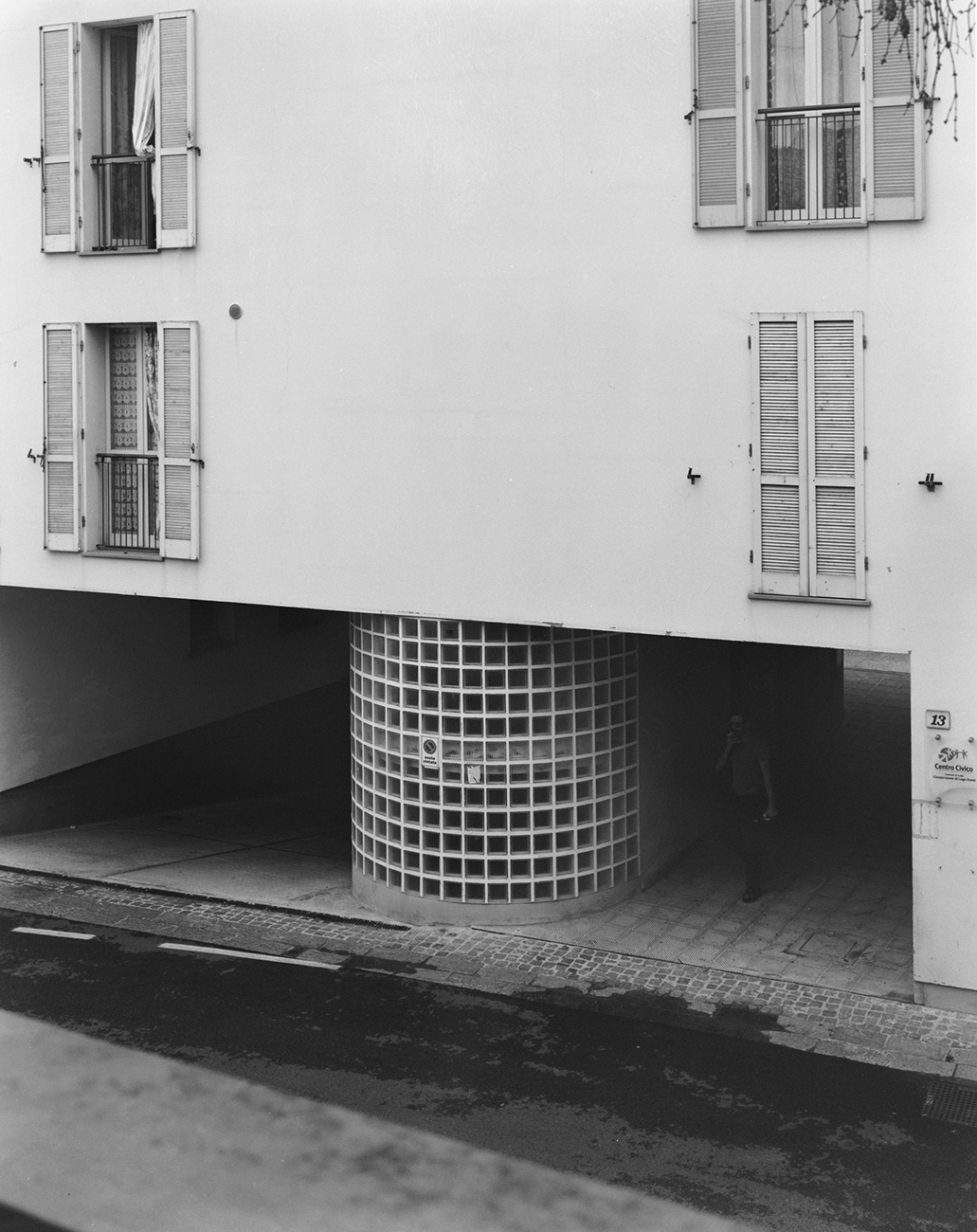
Richard Max Gavrich, Untitled, Lugo, 2014
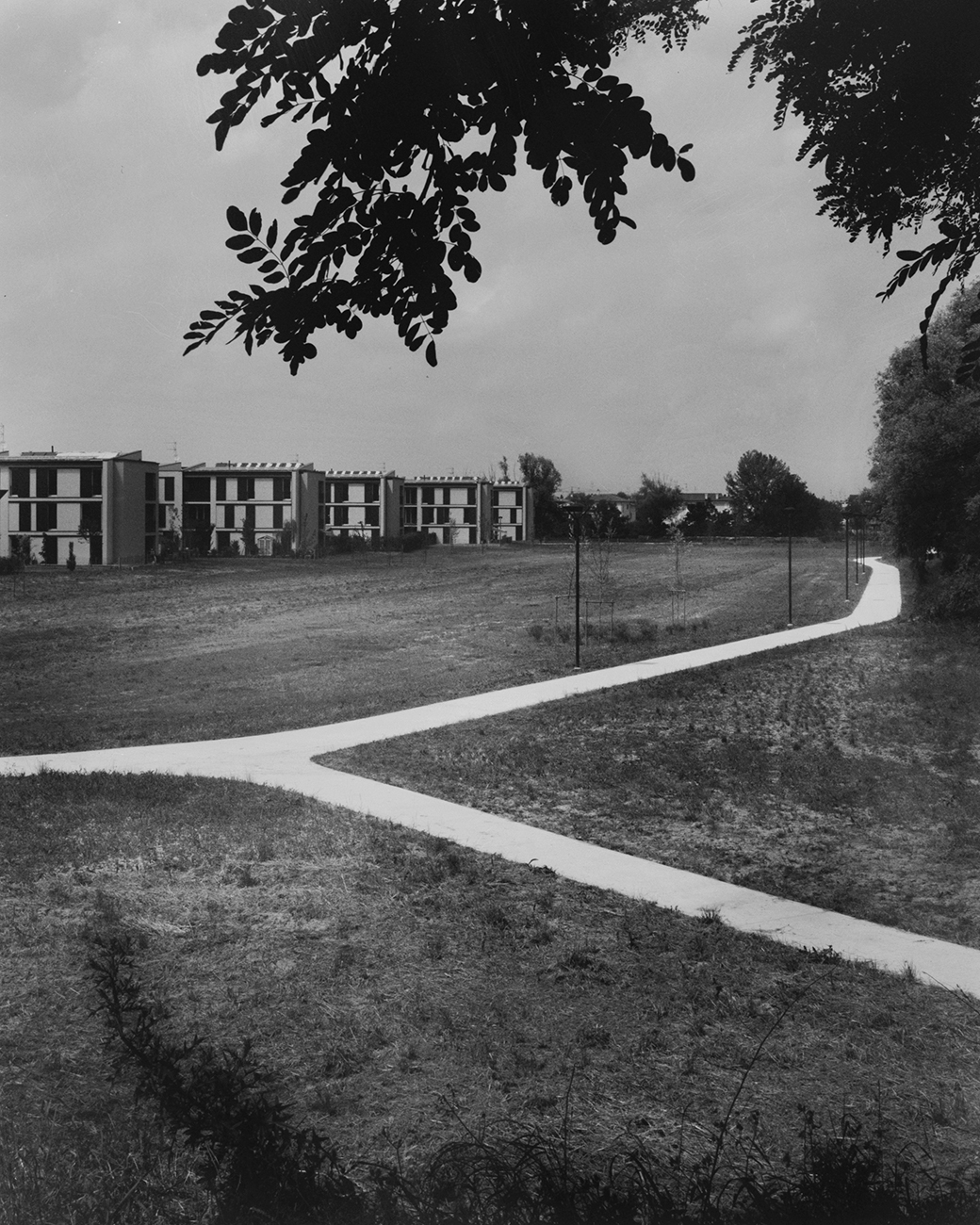
Richard Max Gavrich, Untitled, Lugo, 2014
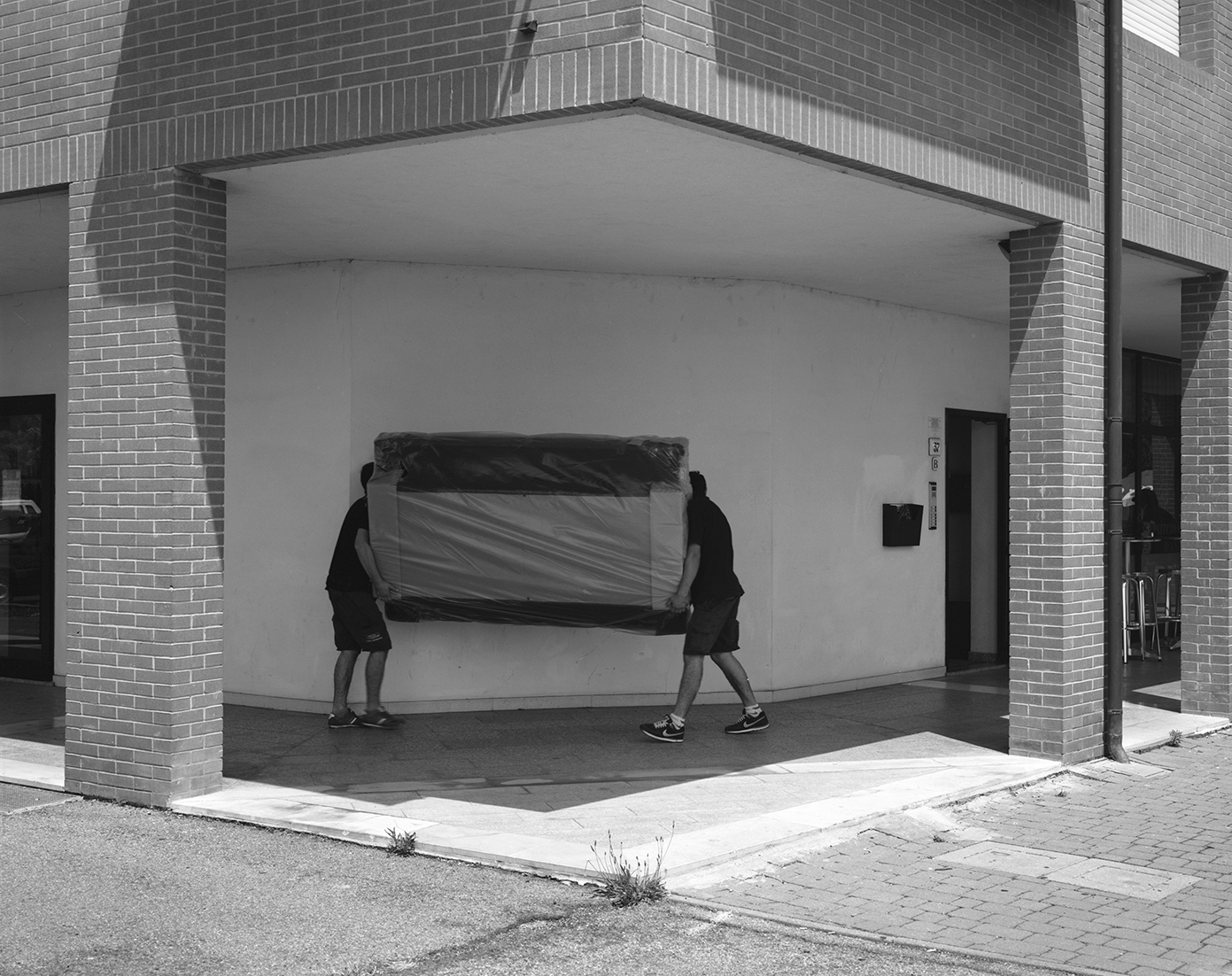
This body of work is the result of the first Bard Lugo Land Residency, a collaboration between Bard College in Annandale-on-Hudson, New York, and the Lugo Land project, based in the northern Italian town of Lugo. The residency is an award given to a graduating senior in the Photography program, to spend four weeks in Lugo, in the eastern Lowlands of Emilia Romagna. This region has fostered a great tradition of photographic practice in consistent dialogue with the canon of American photography. As such, the residency is in many ways an extension of the Bard students’ education.
Richard Max Gavrich, Untitled, Lugo, 2014
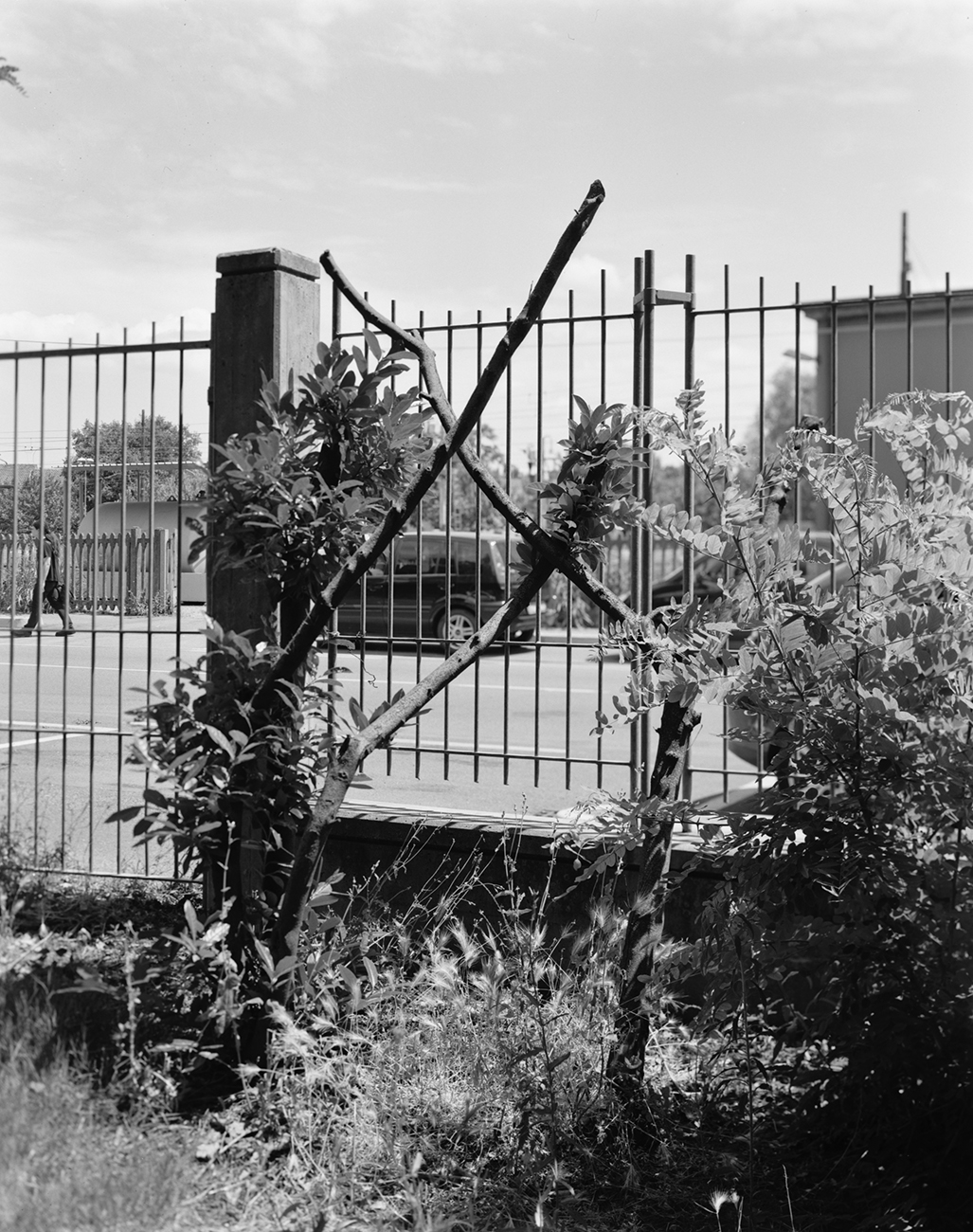
Richard Max Gavrich, Untitled, Solarolo, 2014
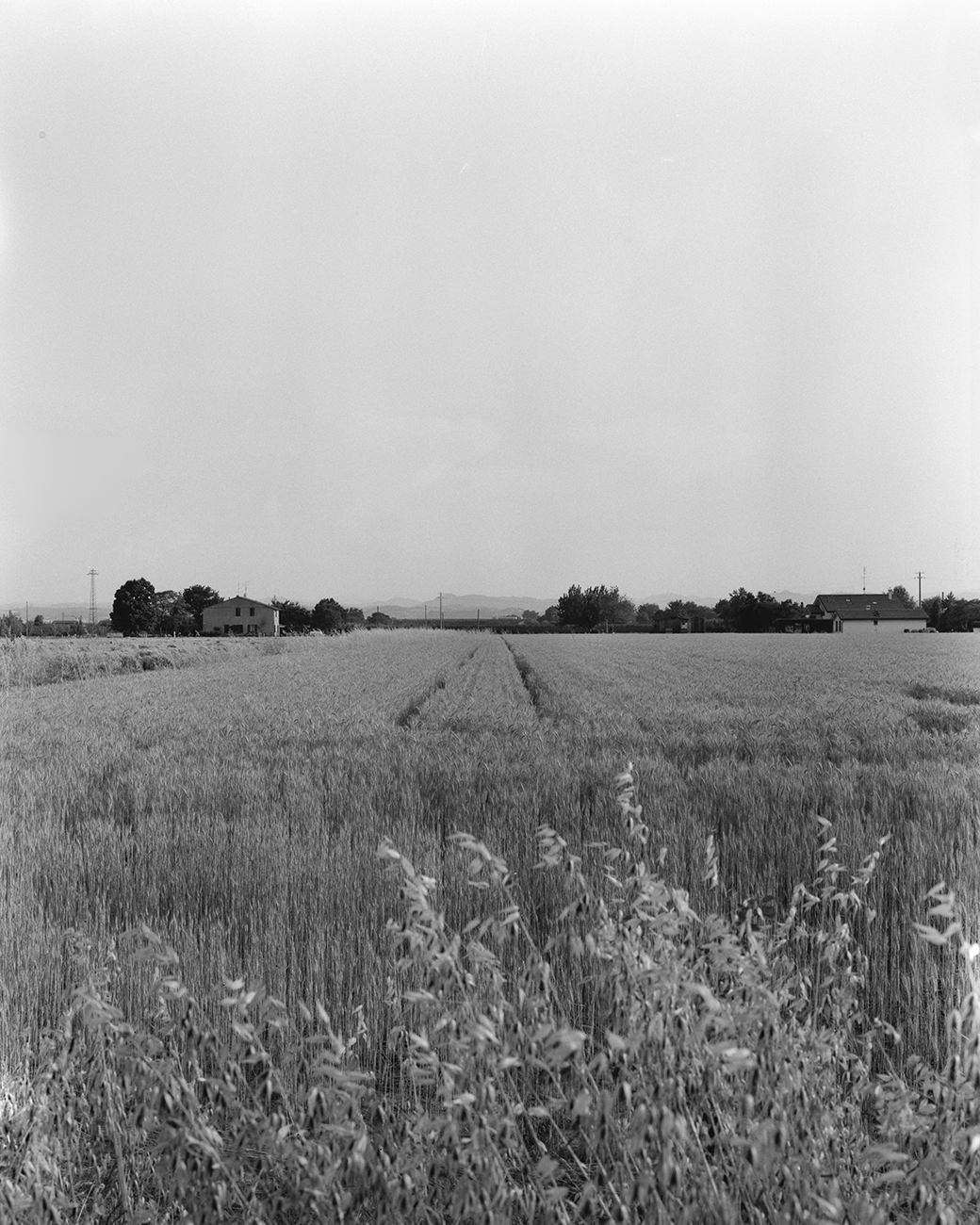
Richard Max Gavrich, Untitled, San Vitale, 2014
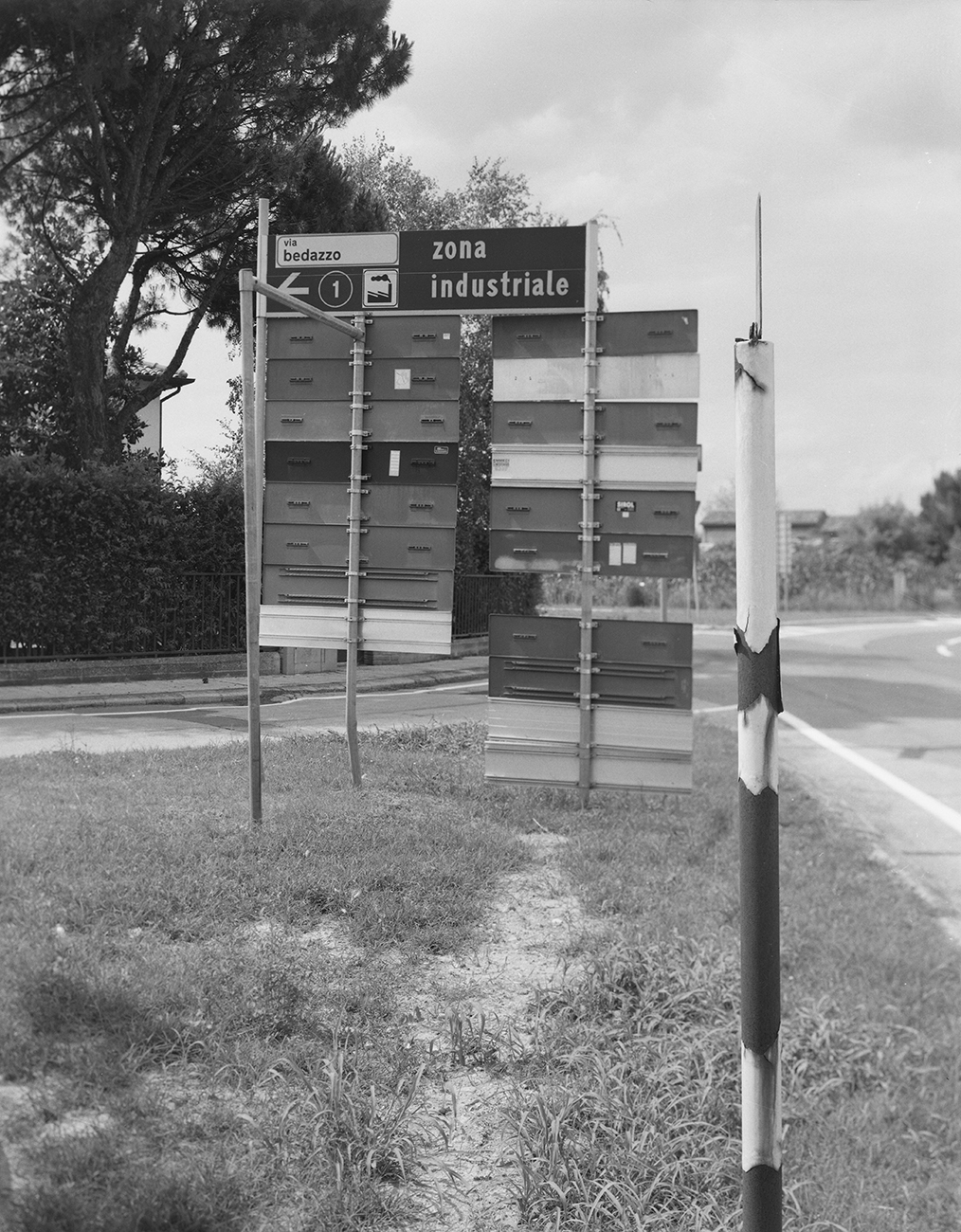
Richard Max Gavrich, Untitled, Lugo, 2014
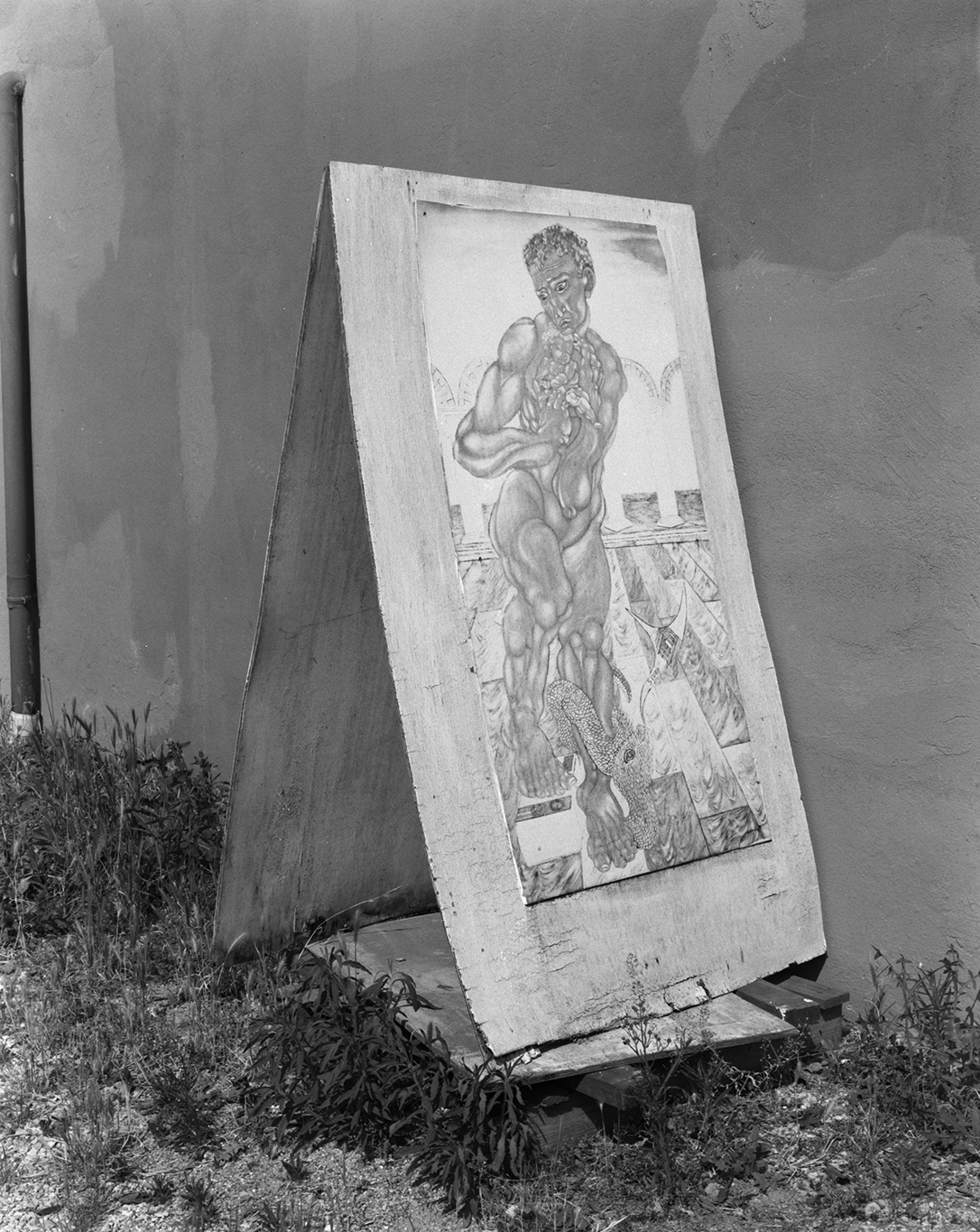
Richard Max Gavrich, Untitled, Lugo, 2014
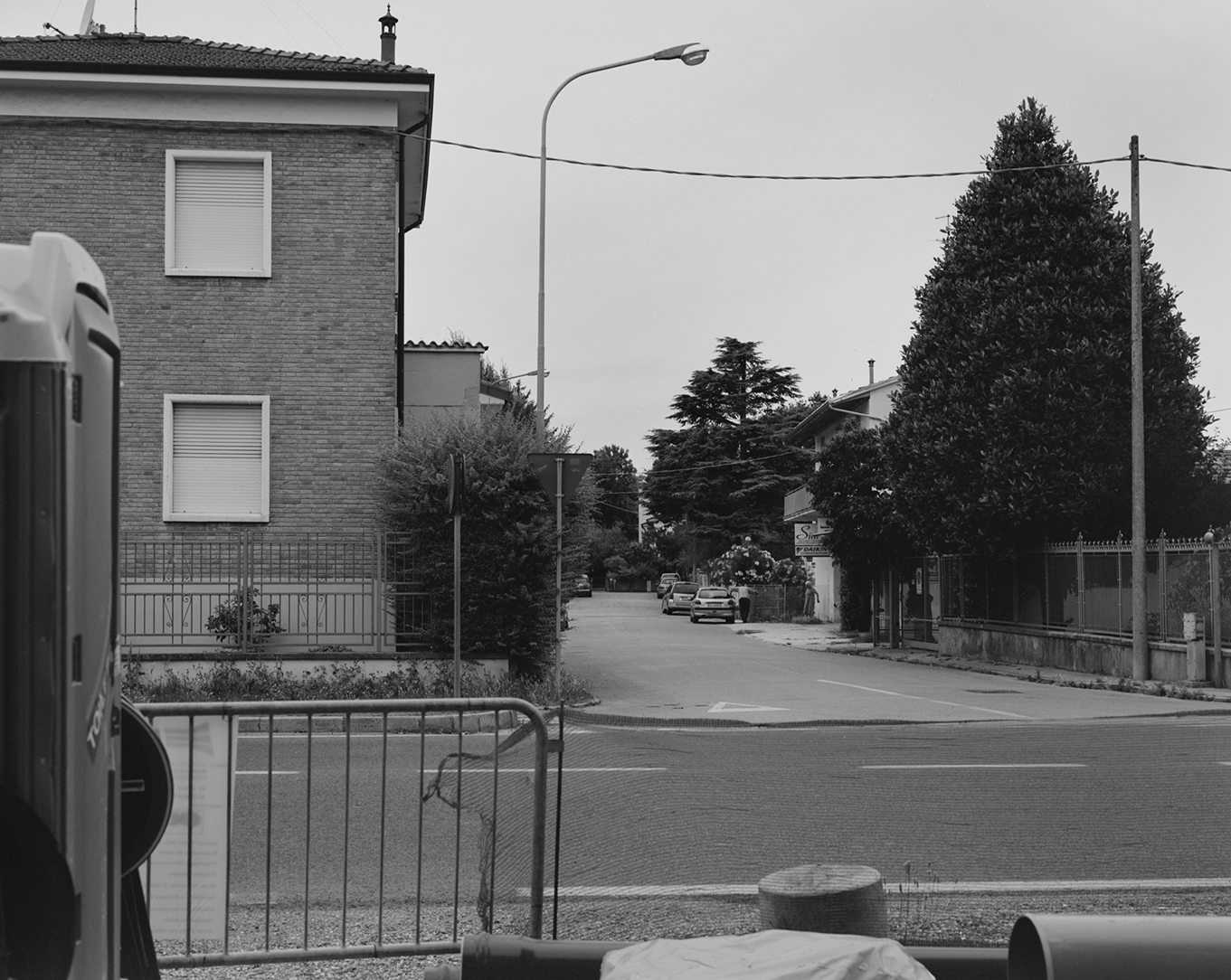
Richard Max Gavrich, Untitled, Lugo, 2014
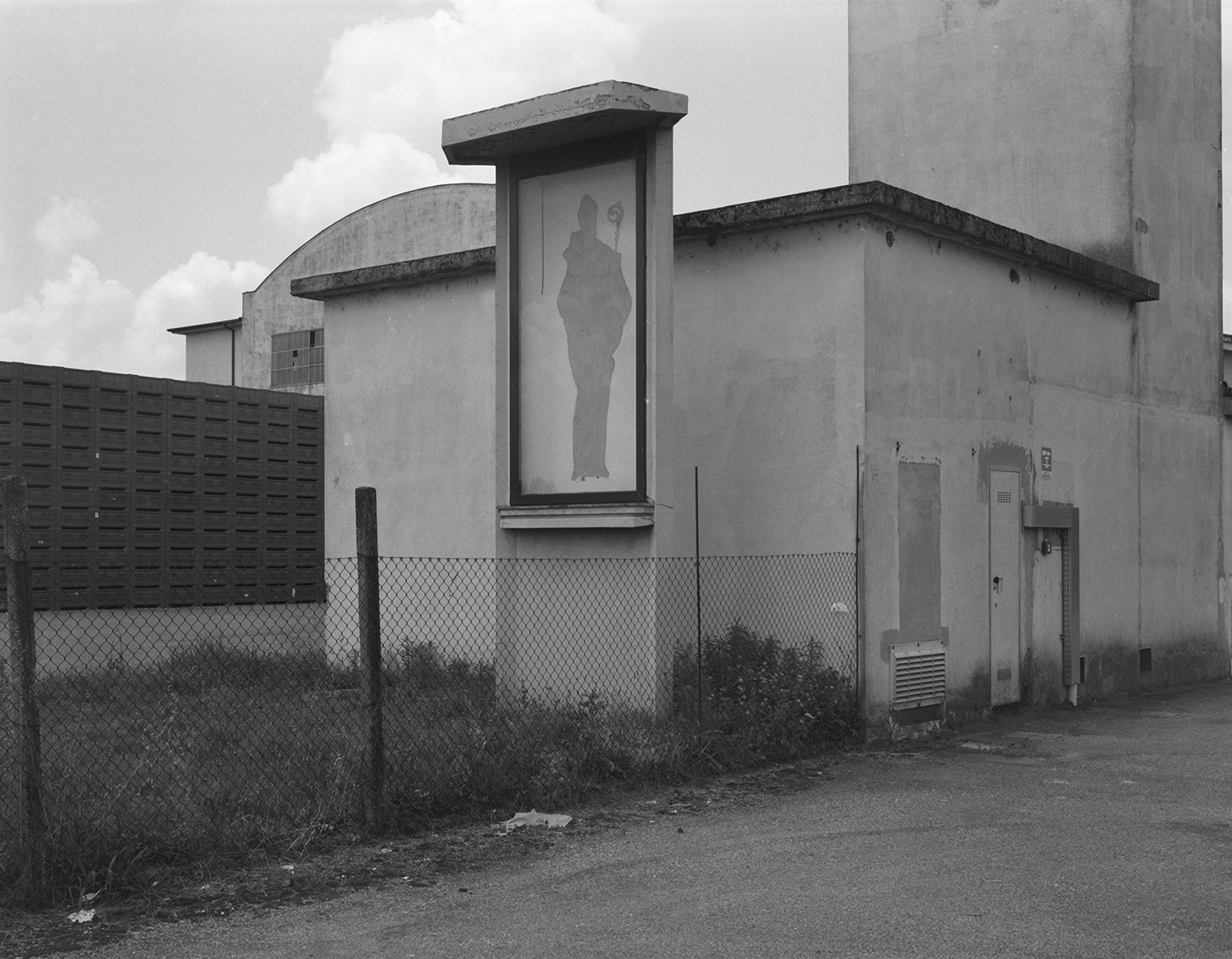
Why talk about a place? A place is so much more cycloramically itself than any way we can describe it that our words and our pictures and postcards and passport stamps amount to stray neutrinos passing through a cathedral. What are we hoping to say; that it’s possible to holler outside the gates and have no one hear you; that families bored with vacation slideshows have had a much needed rest?
I remember hearing the critic Harold Bloom give a lecture about Emily Dickinson. He gave a gorgeous close reading of one of her poems, and talked about her being “the most cognitively complex poet in the English language.” Then he proceeded to denounce Marxist and Feminist critiques of Dickinson for being reductive. I nearly stood up and yelled, “You’ve got it backwards, old man!
The poem is undiminishable, unassailable! It will outlast and outshine any set of readings, including yours.”
So that’s why we talk about a place: because there is no Borgesian map the exact size of a city. Any place is inexhaustible.
Google Maps is a barest drop in the bucket.
And any very thoughtful cartography, like the photographs of Richard Max Gavrich, only elbows out room for more meaning. Let’s let Emily Dickinson talk about it:
“I went to heaven,—
’Twas a small town,
Lit with a ruby,
Lathed with down.
Stiller than the fields
At the full dew,
Beautiful as pictures
No man drew.”
Gavrich knows how to photograph a small town. Lugo, Emilia Romagna has a population equivalent to that of Putalibazar, Nepal; Bagamoyo, Tanzania; or Amherst, Massachusetts (where Emily Dickinson and this writer hail from). Gavrich came to Italy from Bard College, in Annandale- on-Hudson, NY, whose population is too small for the census to take notice. So Lugo feels like a metropolis. And he treats it as one, charting its low-Modernist edifices as a set of stages for figures to strut and fret upon. These figures aren’t the characters of this town, however; they’re the stagehands, draped in shadow and hidden from view. They are part of the architecture, systemic, economic, rather
than personal. I’ve always admired photographers who respect the camera enough to let it describe things far away.
The camera doesn’t care if someone is up in its face. And Gavrich’s large-format camera loves the wilting postures and careful strides of the distant anonymous people, enabling
him to see how they move through their day without commenting, inevitably ignorantly, on their inner lives. He has called his project “Stranger” and talked about a place from the confident distance of a poet.
Tim Davis
Tivoli, New York (population 1,104)
Richard Max Gavrich, Untitled, San Vitale, 2014
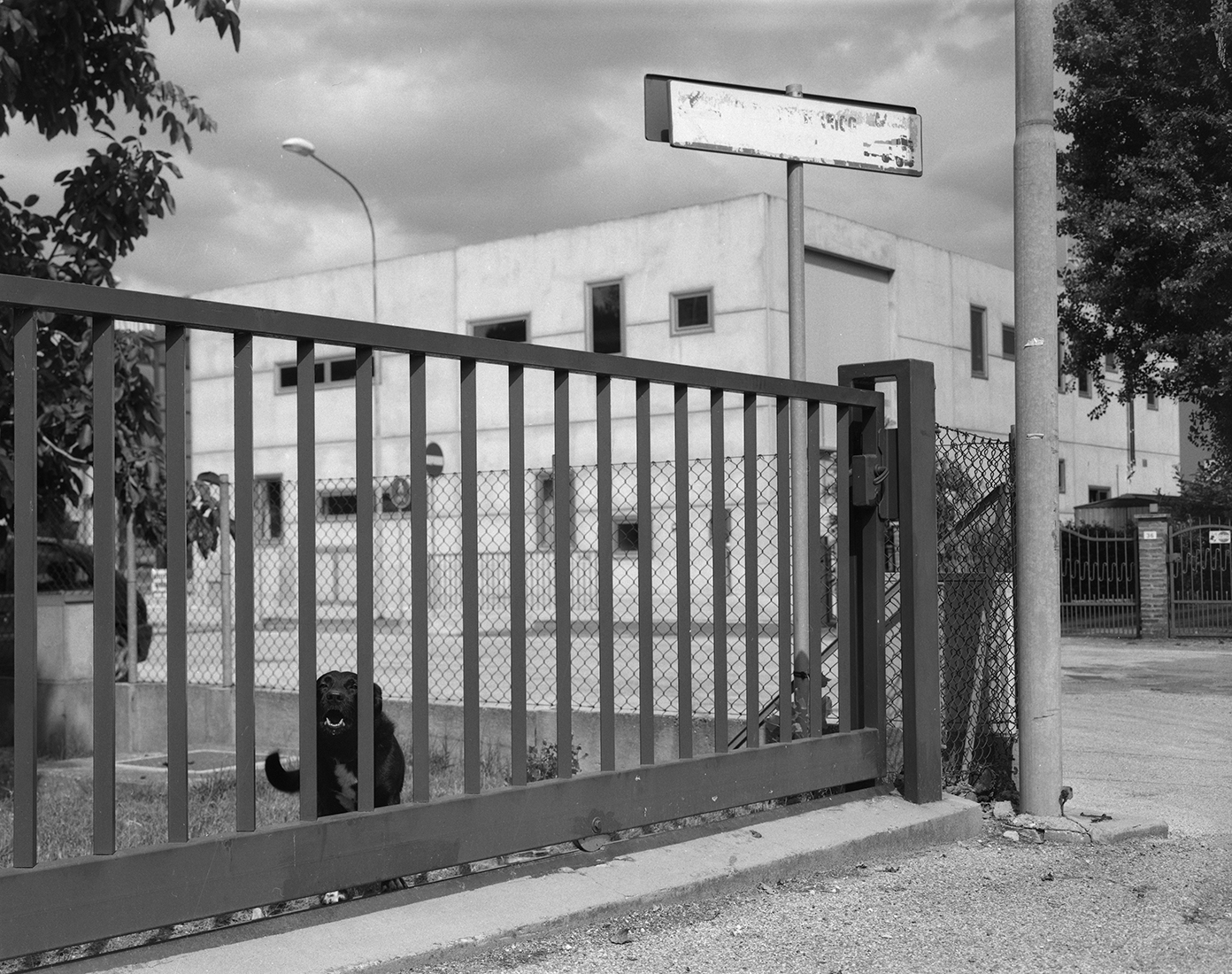
Richard Max Gavrich, Untitled, Lugo, 2014
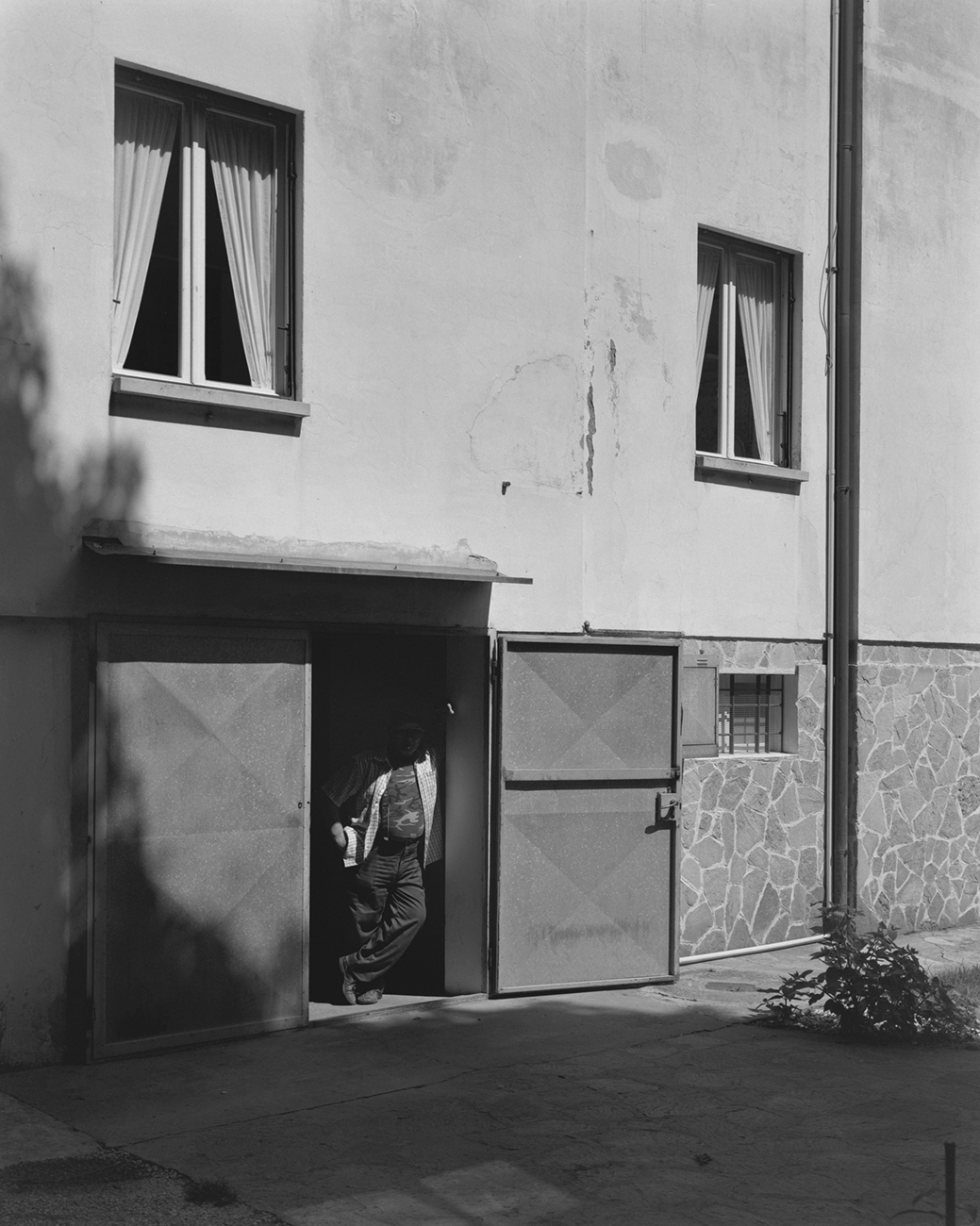
Richard Max Gavrich, Untitled, Solarolo, 2014
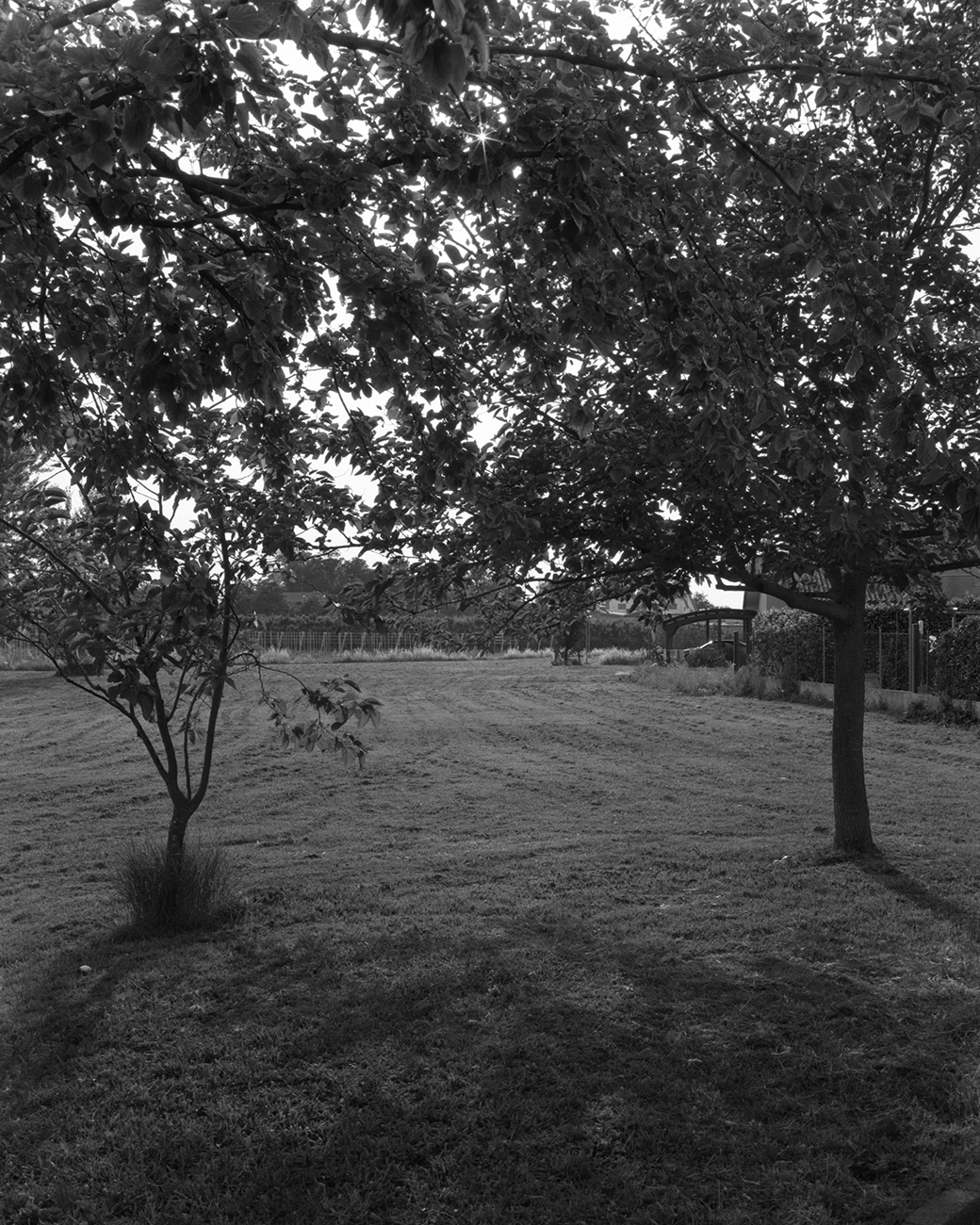
Richard Max Gavrich, Untitled, Lido Adriano, 2014
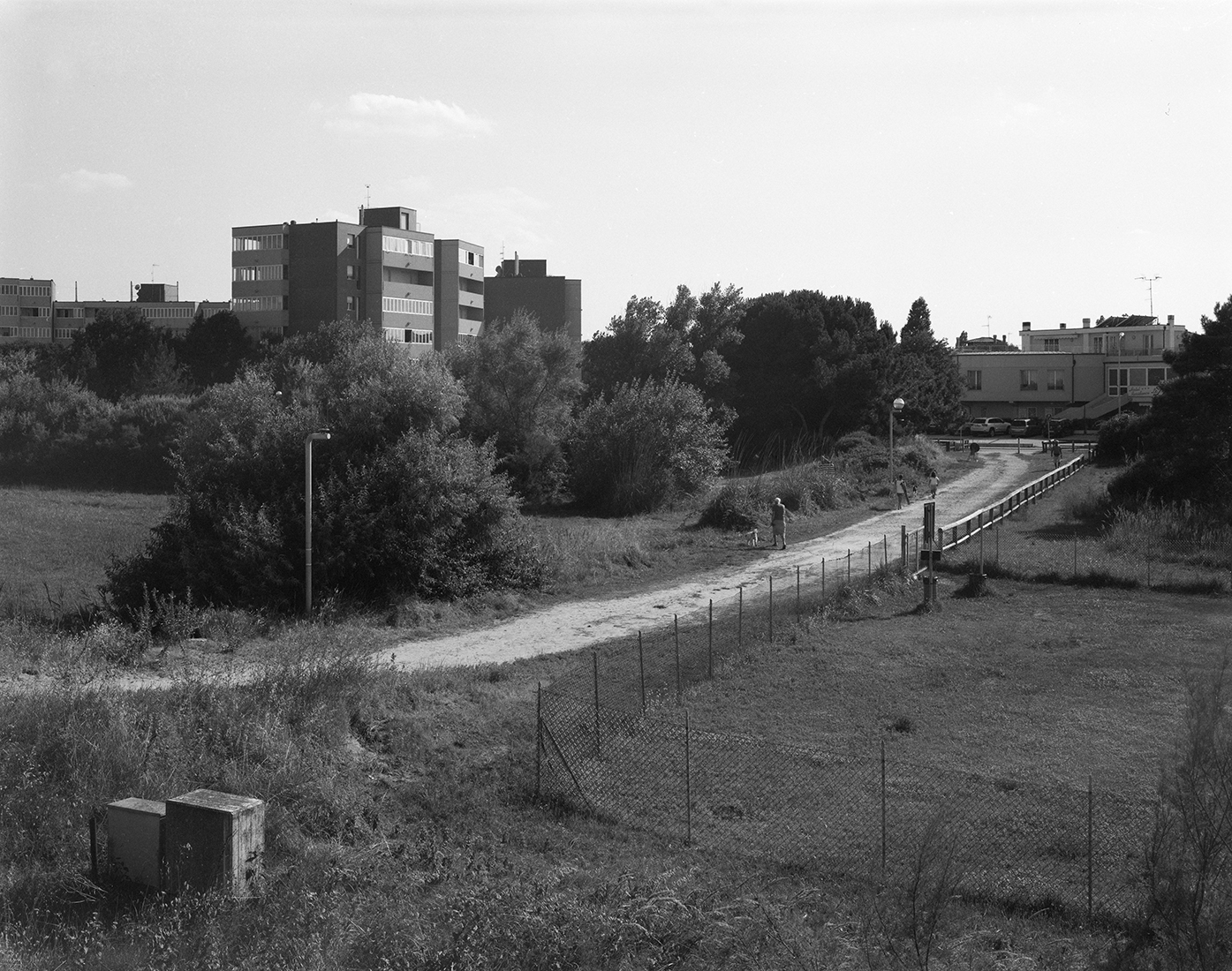
Richard Max Gavrich, Untitled, Lugo, 2014
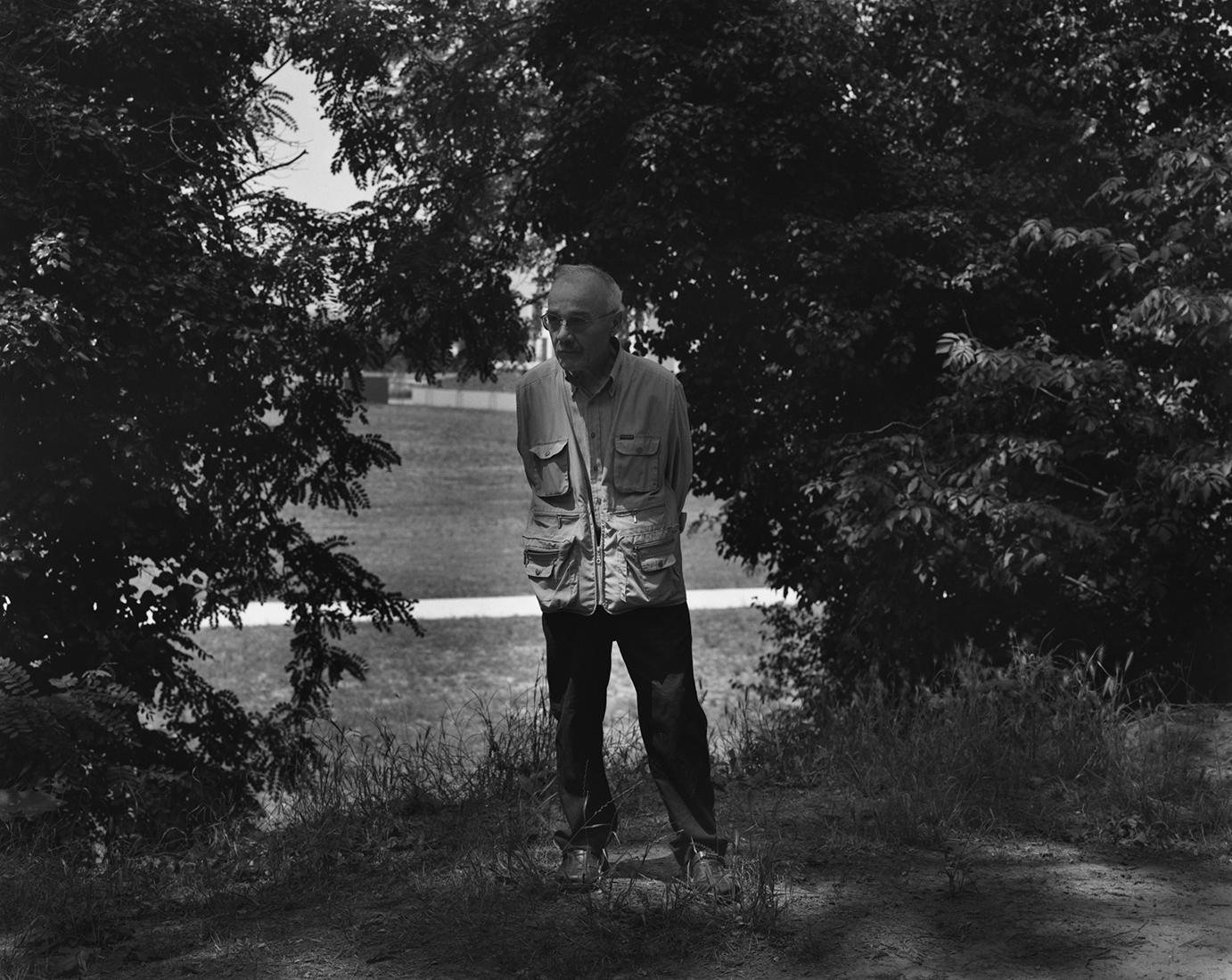
Richard Max Gavrich, Untitled, Lugo, 2014